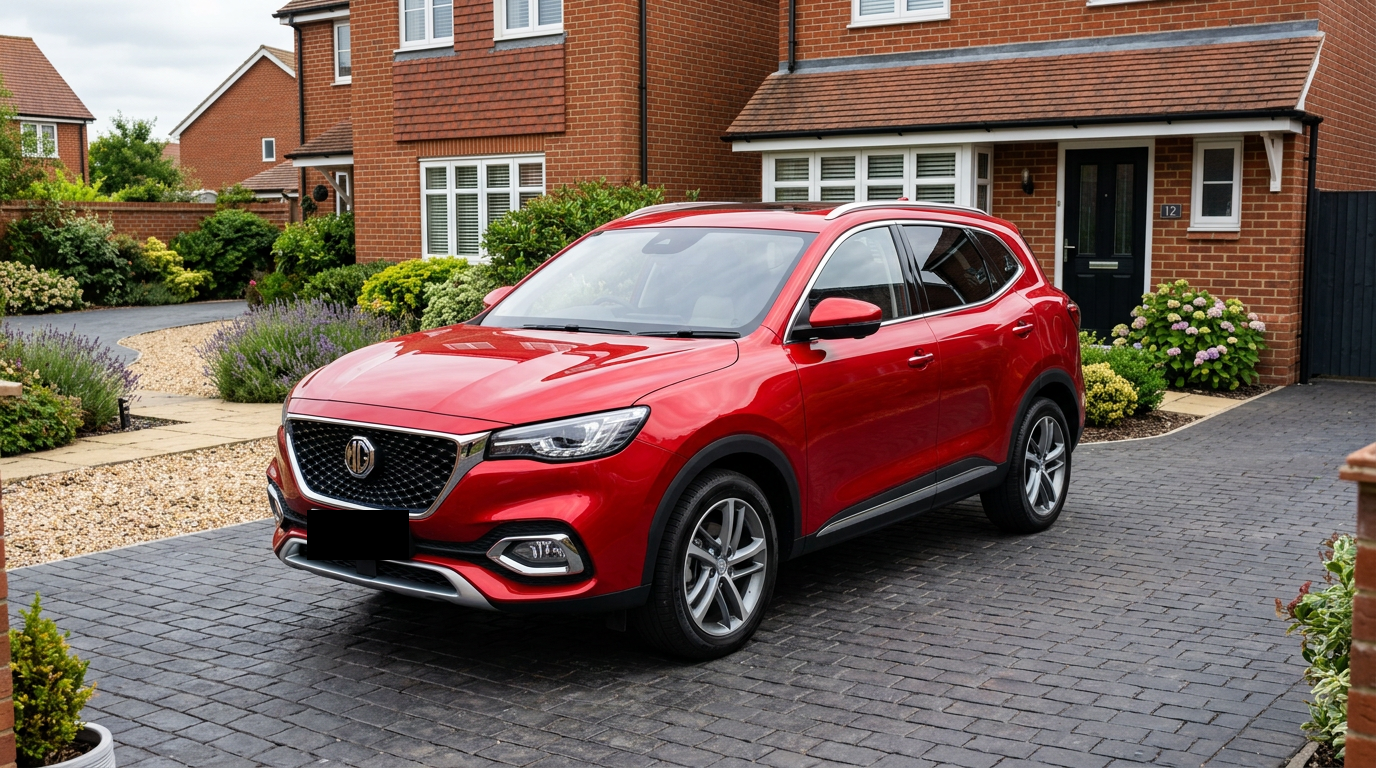
When it came time to upgrade my vehicle, I faced the modern driver’s dilemma: stick with a familiar but expensive petrol car, or make the leap to a Full EV. I wanted to lower my running costs and carbon footprint, but I also didn’t want to deal with range anxiety on our family’s occasional long road trips.
I started running the numbers—which ultimately led to the creation of the calculator above. What I discovered was that the most financially sensible option for my specific lifestyle wasn’t a standard petrol car, nor was it a Full EV. It was a Plug-in Hybrid Electric Vehicle (PHEV).
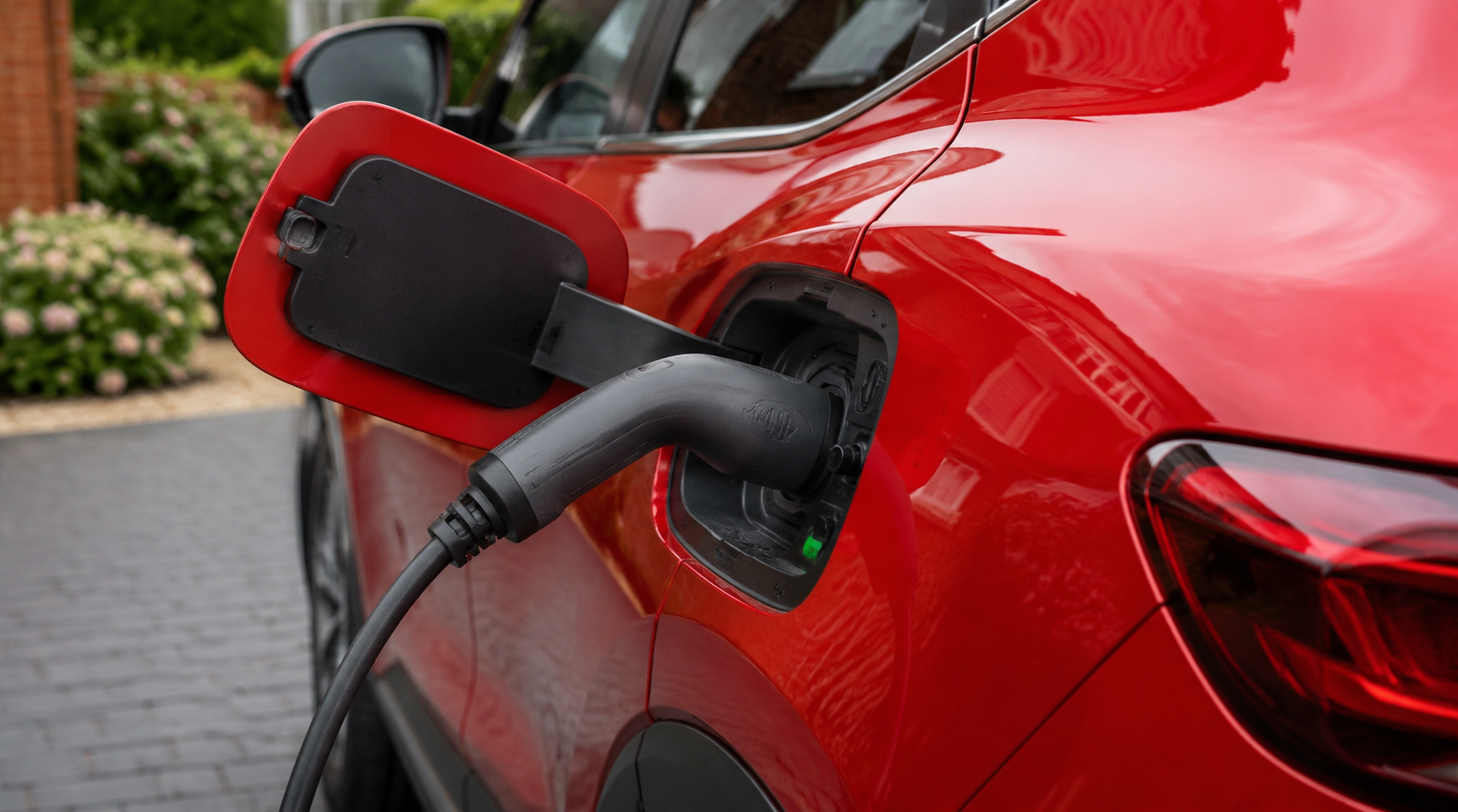
Our PHEV charging directly from the home solar array.
The 95/5 Driving Rule
95% of our driving consists of daily commutes, school runs, and grocery trips. This is done 100% on battery power.
Only 5% of our driving is long-distance, where the petrol engine seamlessly kicks in, eliminating any need to stop at busy public fast-chargers.
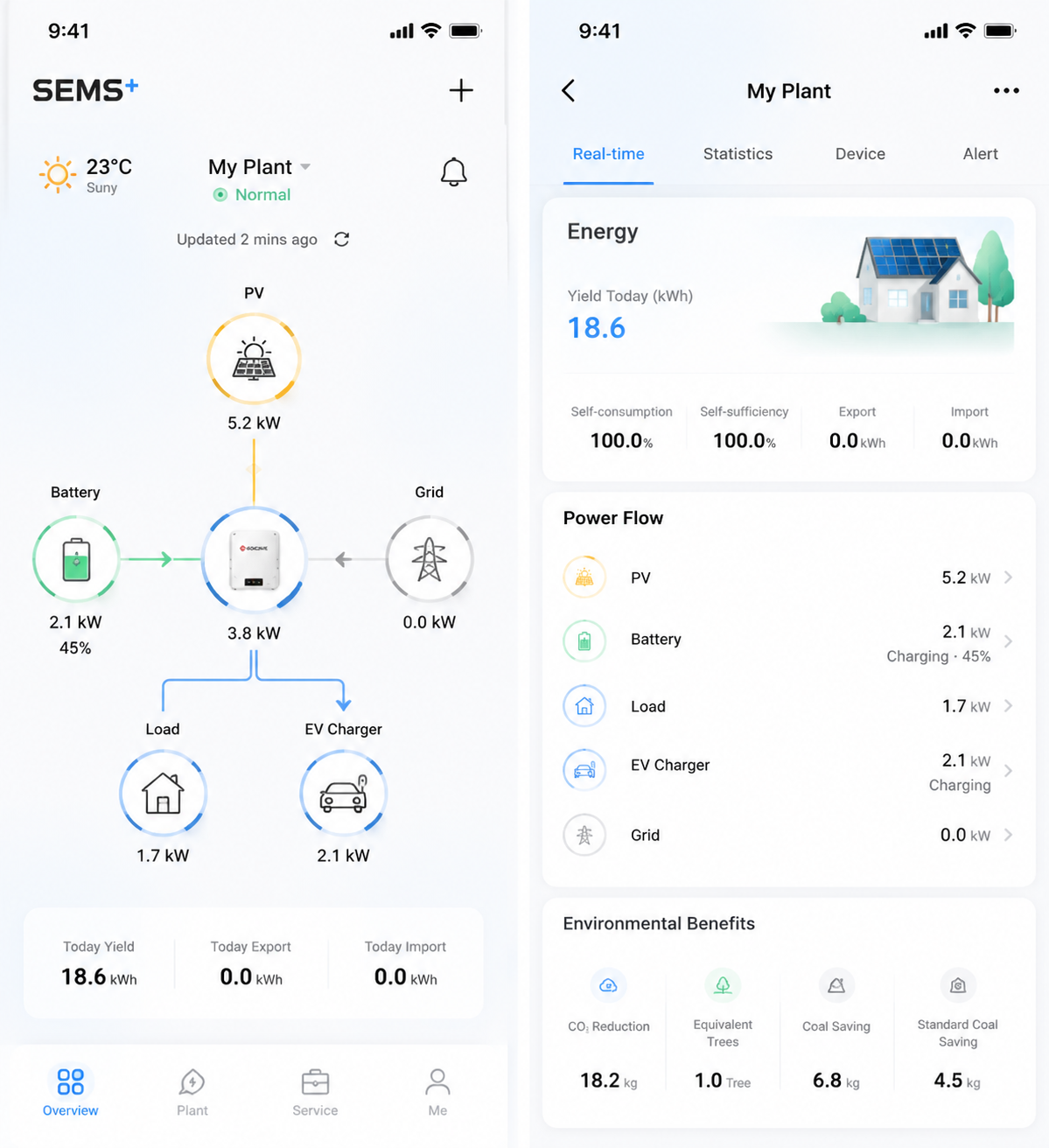
The Ultimate Cheat Code: Solar
Because we have a home solar array paired with a home battery, we charge the PHEV entirely off our own grid. Our electricity cost to fuel our daily 95% of driving is effectively $0.00.
Bridging the Gap: The Shrinking “EV Premium”
A few years ago, the upfront cost of anything with a battery made the return-on-investment difficult to justify. But that gap is closing rapidly. The price variance between standard petrol cars, mild hybrids, PHEVs, and Full EVs is becoming smaller every year. While Full EVs can still carry a premium, choosing a PHEV allowed us to save on the initial purchase price compared to a Full EV, while still reaping all the day-to-day cost benefits of electric driving.
If you’re looking at a specific model where the dealer is offering aggressive pricing, you can manually adjust the Vehicle Price under the Detailed View in the calculator to see how much it could cost for a hybrid or EV to be more beneficial.
Why Your Mileage May Vary
It is important to note that a PHEV was the winner for my scenario, but it is not a silver bullet for everyone. If we lived in an apartment without off-street charging, a standard Petrol or Mild Hybrid would likely have won out, because relying on public fast-charging destroys the economic advantage of a small PHEV battery. Conversely, if we drove 40,000 km a year and rarely took rural road trips, a Full EV would have easily dominated the 10-year projection.
Your driving habits, your electricity rates, and your access to a plug dictate the math.
Run Your Own Numbers
Select “Detailed” mode in the calculator above. If you have solar, try dropping your Solar Rate to $0.00. If you do massive highway miles, bump up the Annual Kilometres. See what wins for your lifestyle.